
About
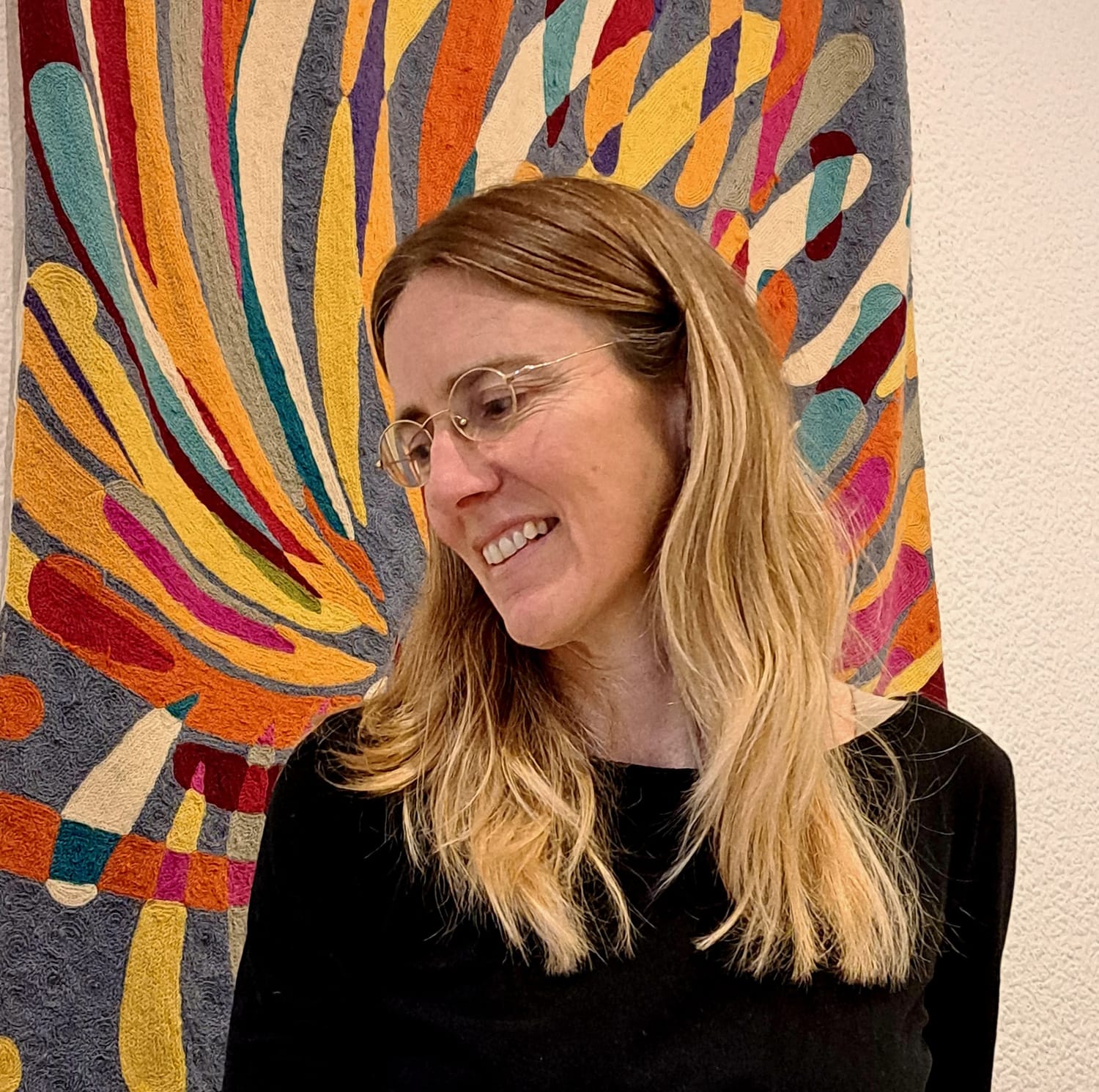
I am a researcher by training and by habit. For over twenty years I worked inside the experimental literature on how people are influenced by things they never consciously notice. I now work with people directly, on the same question, at a level the laboratory could not reach.
The research
My PhD in Management is from INSEAD. The work that followed was on conditioning and nonconscious associative learning: how associations formed outside awareness shape what people perceive, judge and do.
One study gives the flavour of it. We paired brand names with attributes presented below the threshold of conscious awareness. Participants could not report having seen anything. Their evaluations of those brands changed anyway.¹ That paper was selected as the best article published in the Journal of Consumer Psychology that year.
What held my attention was never that an effect occurred. It was the mechanism: what process produced it. That preference has been consistent my whole working life, and it turns out to be the same instinct I taught from. In Marketing Foundations I told students that no strategy survives being ungrounded in understanding: situation analysis comes first, always. It took me some years to notice I had been describing how I work, and longer still to see that it applies to people as much as to markets.
State before strategy.
I am Academic Collaborator in the Marketing Department at Esade Business and Law School (Universitat Ramon Llull) in Barcelona.
The question that changed the work
Why do people struggle to change patterns they can clearly see are no longer serving them, even when they genuinely want to act differently?
The literature could tell me a great deal about how such patterns form. It could tell me very little about how they shift.
A period of illness moved that question from professional to personal. What I understood then was not new information; I had been publishing on it for years. It was that knowing something about yourself and being able to work with it are not the same thing, and that the distance between them is where most change actually fails.
What I trained in
I completed the 350-hour Compassionate Inquiry® Professional Online Training, developed by Dr Gabor Maté and Sat Dharam Kaur. A year and a half later I completed the Suicide Attention Training offered within the same framework: ten weeks of specialist training in recognising and responding to acute emotional distress. Earlier, alongside my academic work, I had completed Chopra’s Total Well-Being Coach® Certification.
They gave me a way of working at the level the research had been describing from the outside.
How I work now
Attention before regulation. Most approaches to difficult emotion go straight to managing it. Mine starts one step earlier, with what the emotion is registering, because an emotion managed before it has been understood tends to come back, along with the pattern that produced it. Regulation matters. But it is second, not first.
I have not left the research behind. My current work is on psychological safety in the classroom: what makes someone willing to speak when they only half understand something, and to keep going after an early setback. The paper, written with Raquel H. Ribeiro, is published in Research in Learning Technology.² I also teach The Action Gap at Esade, an undergraduate elective on why people who know exactly what to do still do not do it. I also follow the literature on decision-making under acute stress.³
I work with universities and business schools, and with individuals. My approach is calm and structured. I do not motivate or prescribe. I help create the conditions in which a person can see what is actually driving their choices, and act from there.
Writing
I write essays in English and Spanish on the ideas underneath this work: how we show up, what emotions are for, why understanding has to come before strategy.
If you believe this fits with your context, get in touch →
¹ Galli, M., & Gorn, G. (2011). Unconscious transfer of meaning to brands. Journal of Consumer Psychology, 21(2), 215–225. Awarded the C.W. Park Award by the Society for Consumer Psychology.
² Ribeiro, R. H., & Galli, M. (2026). Feedback, engagement, and integrative learning: A trace-based case study in a synchronous course. Research in Learning Technology, 34 (3987). https://doi.org/10.25304/rlt.v34.3987.
³ A good entry point is: Starcke, K., & Brand, M. (2012). Decision making under stress: A selective review. Neuroscience and Biobehavioral Reviews, 36(4), 1228–1248.